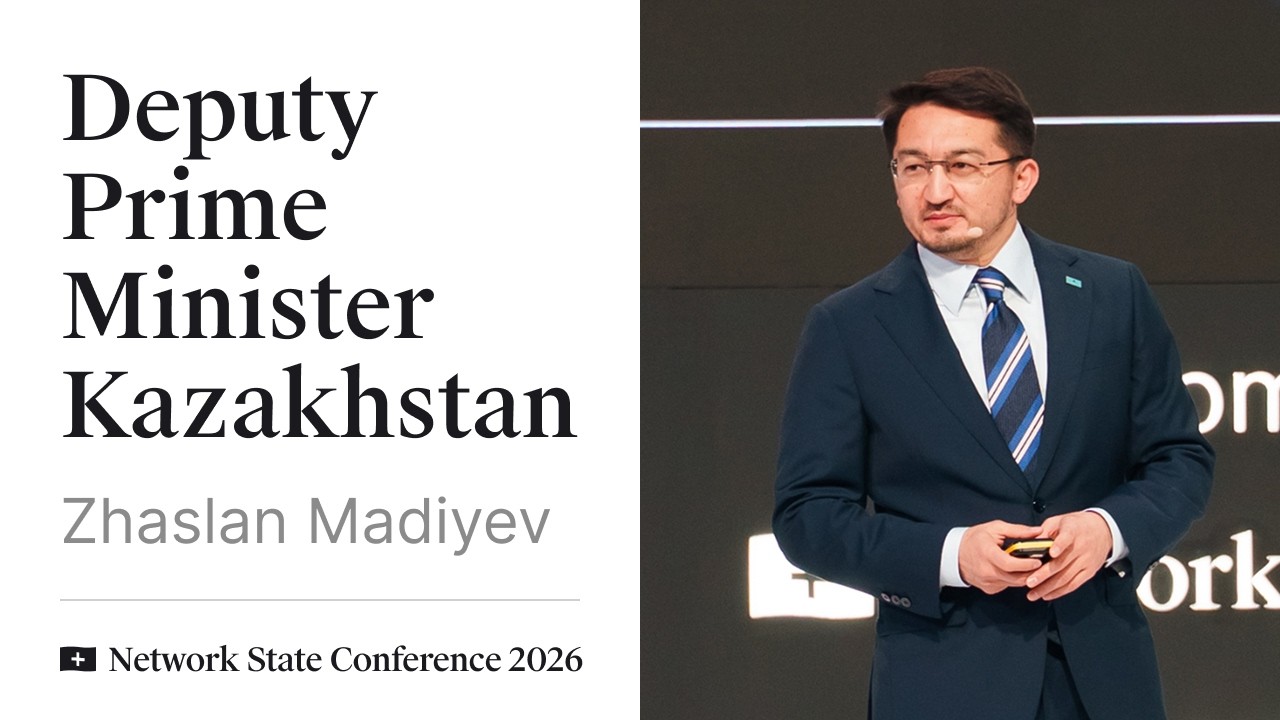
Balaji 與 Mike Maples:人能自由遷移,制度會如何改變?
Fireside with Mike Maples of Floodgate
- Mike Maples Floodgate
- Balaji Srinivasan Network School
影片
影片與逐字稿來源:Network State Podcast (CC BY)
場次摘要
Balaji Srinivasan 與 Floodgate 的 Mike Maples 從《主權個人》談起,討論科技如何讓人才與資本更容易移動,以及政府政策如何影響人的去留。Balaji 也指出,個人能力變強不代表人人都更自由;有權勢者同樣可能藉科技限制他人。兩人最後談到科技進步與西方政治困境並存的感受。
值得記下的 5 件事
- 有突破的創業提案需要開創不同的未來,僅把現有產品做得更好未必足夠。
- 共同信念能把創辦人、早期員工與投資人聚在一起;只追求最高估值可能犧牲長期合作。
- 人才與資本具備可迅速啟動的遷移方案,政府政策就得面對退出成本。
- 科技也可能把少數統治者放大成更強的權力中心,個人自由不會自動增加。
- 組織若把延續自身權力放在原本使命之前,就需要新的替代組織。
逐字稿
開場
謝謝你大老遠飛過來。對,航程還不錯。不如先跟大家說說你的背景:Twitter、Twitch 的早期投資人,Floodgate 這些年也是重要的天使投資方。對,我想我是那種 OG 種子投資人。我投新創要嘛太早,要嘛早得離譜。投 Twitter 的時候,他們還在糾結要叫 TWTTR 還是 Voicemail 2.0。Thanks for flying all the way out. Yeah, it's a nice flight. So why don't you just tell everybody about your background: early investor in Twitter, Twitch, you know, Floodgate's been a major, a major angel for many years. Yeah, so I guess I'm one of the OG seed investors. So I invest either too early or way too early in startups. You know, when I invested in Twitter, they were trying to decide whether to call it TWTTR or Voicemail 2.0.
Lyft 一開始叫 Zimride。Okta 叫 SaaSure。所以對,太早、早得離譜,或者法律上曖昧地太早。嗯,你其實也是「種子投資」這件事本身的種子。種子投資當時甚至不是大家會做的事,對多數人來說還不是一個類別,對吧?對。現在很難想像,但 2005 年在矽谷你募不到 100 萬美元。Lyft started out as Zimride. Okta was SaaSure. And so, yeah, too early, way too early, or legally ambiguously too early. Well, you were one of the seeds of seed investing itself. Like, seed investing wasn't—it wasn't even a thing that people did. It wasn't a category to people, right? Yeah, yeah. So it's hard to believe now, but in 2005, you couldn't raise a million dollars in Silicon Valley.
你要嘛向天使和朋友籌 25 萬,要嘛直接上 500 萬美元的 A 輪。後來一堆事情一起發生:LAMP 堆疊、Amazon Web Services 起來。我當時常說,50 萬就是新的 500 萬。我們大概就這樣起步。說起來有點好笑,但我們兩個在某種意義上都已在科技圈打滾約 30 年,我從大學畢業後算起。You raised either a quarter of a million dollars from angels and friends, or you went straight to a five-million-dollar Series A. And so a bunch of things happened. You know, you had the LAMP stack, and you had Amazon Web Services emerging. And so, you know, my saying was that 500,000 is the new 5 million. And so that was kind of how we got started. So we've kind of, you know, it's funny to put it this way, but we both, you know, have about 30 years in tech in some ways, me since college.
時間都去哪了?對,沒錯。不過今天,矽谷這個時代可能正在走向尾聲。Larry Page、Sergey Brin、Zuckerberg、Larry Ellison、Elon、Thiel 都離開加州,我們很多共同的朋友、同事也不再待在那裡。Where did the time go? Yeah, yeah, exactly. So, you know, now today, though, the era of Silicon Valley may be coming to an end. And with, you know, Larry Page, Sergey Brin, Zuckerberg, Larry Ellison, Elon, Thiel all leaving California, many of our mutual friends, colleagues, and so on not in the news.
你對這件事怎麼看?因為你聽過我 13 年前那場演講,你說那條弧線正在上演。對。不知道現場有多少人看過 Balaji 2013 年在 Y Combinator 的演講?You know, what are your thoughts on that? Because you saw the talk I gave 13 years ago, and that arc, you were saying, is playing out. Yeah, so, and I don't know, how many folks have seen Balaji's talk at Y Combinator in 2013?
好,你做了那場演講,但有兩三件事當時特別留在我心裡。我當時在整理一套我稱為 network capitalism 的想法,我認為網路開始顛覆現代公司,變成最有價值的公司。你讓我意識到幾件事。一是 Albert Hirschman 的書《Exit, Voice, and Loyalty》,我想你們後面還有一場相關 panel。Okay, so you gave that talk, but there are two or three things that you said at that time that really stuck with me. So I was working on a set of ideas that I called network capitalism, and so I thought that networks were beginning to— subvert the modern corporation and become the most valuable companies. And what you made me realize, you talked about a few things. One is Albert Hirschman's book, Exit, Voice, and Loyalty, which I think you're going to have a panel on later on.
紙本帶與退出、發聲、忠誠
我還記得你提到的另一件事是 paper belt(紙本帶)。我開始意識到,paper belt 不只是公司的隱喻,而是西方世界所有制度的隱喻。後來你寫了一篇 essay,好像叫〈Software Is Reorganizing the World〉。And then I think that the other thing you mentioned was the paper belt. And I started to realize that the paper belt was a metaphor for more than just companies. It was a metaphor for all the institutions in the Western world. And then you wrote an essay, I think it was called, like, Software Is Reorganizing the World.
對我來說,那大概是你第一次宣告 network state 的嘗試。有趣的是,我原本是很私密的人。那是我人生第一場公開演講,13 年前 Sulzberger 的《紐約時報》和《華爾街日報》都譴責我,挺有意思的。And so that was, to me, that was kind of like your first foray into sort of declaring the network state. It's funny because those, you know. I was a very private person. It was the first talk I ever gave, and both Sulzberger's New York Times and the Wall Street Journal denounced me for doing that 13 years ago, which was fun.
真的是第一場。YC 聽完你的演講後,我立刻找 Andreessen,說「能介紹我認識這個人嗎?」對,沒錯。他說你在同一段時間內產生的點子,比任何他認識的人都多。我很喜歡 Marc,也喜歡這整個圈子。這幾年我們有點站在科技熱潮外圍,交換觀察,我覺得我們價值觀有很多共通之處。Very first talk. And so right after I heard your talk at YC, I reached out to Andreessen. I said, "Can you introduce me to this guy?" Yeah, that's right. And he said that you generate more ideas in a given timeframe than anybody he knows. Well, I love Marc, and I love, you know, everything. We've been sort of on the sidelines of this whole tech thing for the last several years, exchanging observations, and I think we have a lot of values in common.
我們都見證矽谷怎麼長起來。你從那場演講提到三件事:exit、voice、loyalty 的概念;世界重組、大規模遷移;還有 paper belt。You know, we saw how the Valley built out and— You know, one of the things that also—you mentioned three things from the talk, which were the concept of exit, voice, and loyalty; the reorganizing of the world, like the mass migrations; and the paper belt.
當然這些都連在一起:科技顛覆引發制度反彈,進而促成物理上的 exit。不過過去 13 年有一件事我沒完全料到:科技變得非常、非常受歡迎。And of course, they're all kind of tied together, where the disruption of technology causes a backlash from the institutions and leads to a physical exit. But— You know, one of the things that I didn't fully anticipate over the last 13 years is, you know, tech has become really, really popular.
問題在於,一旦受歡迎到那種程度,顯然你是資本家、我也是,但 科技資本主義 裡「資本主義」那一塊,讓�谷很多人開始追逐金錢本身,更快、更短視,對吧?我認為支撐估值的價值觀非常重要。你一向是很 雙贏 的人。我很想聽你對這件事的看法。你覺得有在變嗎?對。如果拉遠一點看,我對新創(至少是我感興趣的那種)的一種理解是:它是對現狀的斷裂。And the thing is, in becoming that popular, you know, obviously you're a capitalist, I'm a capitalist, but the capitalism part of techno-capitalism has made a lot of people in the Valley chase money per se, like sooner, shorter term, you know, right? And I— You know, I think the values that underpin the valuations are very important. And you've always been a very win-win person. I'd love to hear your thoughts on that. Is that changing, do you think? Yeah. So if I zoom out, one of the ways I think about a startup, or at least what I'm interested in, is it's a break from the present.
有意義的新創要拒絕什麼
所以一個真正重要的新創……必須拒絕某些東西。我對「某個東西的更好版本」沒興趣。我要投的是從未有過的全新版本。對我來說,創業者要贏,不是靠更好,而是換一個題目。請說。So a startup that matters... has to refuse something. So I'm not interested in investing in a better version of something. I want to invest in a brand-new version of what's never been. And to me, that's the way entrepreneurs win: it's not by being better, but by changing the subject. Go ahead.
因此,這些人需要特定類型的幫助。當大家都往這個方向走、假設未來會長那樣,我想合作的創辦人在另一邊,他們說:「不,未來不會是那樣。」And so, therefore, it stands to reason that those people need a certain type of help. Because everybody's moving forward this way, assuming the future is going to look like that, the founders I want to work with are out here, and they're saying, "No, that's not going to be the future.
「會是另一種未來。」只要他們不想一個人待在那裡,就得說服別人加入一場運動。運動字面意思就是,把早期信徒帶到那個不同的未來,一起共創未來。There's a different future." And what they need to do, as long as they don't want to stay there all by themselves, they have to persuade people to join a movement. And so movements literally move early believers to that different future, and they co-create the future.
客戶和員工跟創辦人一起共創未來。這才是我真正感興趣的。回到你的問題:你希望團隊、早期投資人、早期客戶,都是「對的那種瘋狂」聚在一起,對吧?大家……往往相信一個外界還不信的隱藏真相。Customers and employees co-create the future with founders. And so that's what I'm really interested in. So then back to your question: you want to have all of the team, the early investors, the early customers, the right kind of crazy together, right? Everybody... tends to believe in a hidden truth that the rest of the world doesn't believe yet.
其實多數偉大的新創點子,一開始多數人都不喜歡。所以你要的是被同一套信念驅動的人。現在的挑戰之一是錢太多、來源太多,估值也拉得太高……In fact, most great startup ideas, most people don't like at first. And so you want to have people that are animated by belief, by the same set of beliefs. And one of the challenges right now is there's so much money and so many sources of money, and the valuations have gotten so high...
創辦人可能被誘惑去用 投資條款 互相抬價、盡量拿到最好價格。但你得跟那個投資人長期共事,對吧?不是只有一輪。對,我的意思是,這件事我來回想:顯然……科技資本主義 的資本主義部分,造就了一台巨大引擎,把原本可能只是理論的東西往前拉。that founders can become tempted to try to play term sheets against each other, get the best price they can. But, you know, you've got to live with that investor for the rest of the time, right? It's not just one round. Yeah, I mean, this is the thing, is basically, you know, I go back and forth on this because obviously... you know, the capitalism part of techno-capitalism has resulted in this huge engine pulling all this stuff forward that would otherwise just be theory.
但它也帶來愈來愈多的短視行為,以及隨之而來的嫉妒,對吧?因為……大家看到這些龐大財富。我們很多共同朋友要嘛離開加州、離開矽谷,要嘛做了備援計畫之類的。But it also is resulting in more and more short-term behavior and more envy as a consequence, right? Because— You know, people are seeing these gigantic fortunes. So many of our mutual friends have either exited California, exited Silicon Valley, made backup plans, and so on.
就現況而言,你看到什麼?對,我看到的是,不幸的是,加州的治理已成為 unchecked、缺乏問責與政府單一文化的邏輯終點。我們在那條鐵路上花了超過 100 億美元:軌道不到一英里。What are you seeing with that, given, you know, what's happening? Yeah, the thing that I'm seeing is that, unfortunately, California's governance has become the logical conclusion of— the unchecked lack of accountability and government monoculture. And so, you know, there's that train that we've spent over $10 billion on: less than a mile of track.
加州治理的抽成邏輯
奇怪的是,加州政壇很多人不覺得有問題,因為那些錢去了工會工人那裡,於是你變成:向一大群人收稅,去討好一小撮人,不管是教師工會還是其他工會。And the weird thing about it is, a lot of the folks in California politics don't think there's anything wrong with that because that money went to a bunch of unionized workers, and so— you get to this thing where I'm going to take taxes from a large group of people, and I'm going to curry favor with a small set of people, whether it's the teachers' unions or other types of unions.
某種程度上,這是大規模、合法化的組織犯罪。對。對。這不是……這是抽成式治理,而不是回應人民需求的治理。到了某個點,你要嘛試著修,要嘛意識到他們就是衝著你來。And, you know, to some degree, it's massive-scale legalized organized crime. Yes. Right. It's not—it's extractive governance rather than governance that responds to the needs of the people. And so at some point, you either try to fix that or you realize that they're just coming for you.
他們會把一切都收走。沒錯。我對這件事的理解是……藍色的商業模式:為政黨服務,不是為人民。跟蘇聯俄羅斯發生過的事類似,只是這裡更隱晦:加州基本上有選舉,但政黨永遠贏,實際上沒有競爭性的多黨選舉。They're going to seize everything. So, exactly, and the way I think about this is— you know, the blue business model: for the party, not the people, which is the same thing that happened in Soviet Russia, but here it's a little more subtle, where essentially in California, elections are held, but the party always wins, and it doesn't actually have competitive multiparty elections.
2010 年代初那樣開始之後,Schwarzenegger 時代還在我們記憶裡,當時仍有多黨競爭。但競爭降到零、他們真正壟斷政治權力之後,NGO 可以拿錢發針筒,雇用政黨的人。And now the thing is that when that started in the early 2010s, that's when the, like, there was a Schwarzenegger era. There was an era within our memory where there was still some multiparty competition. But when that competition went to zero, when they actually had a total monopoly on political power, you could have the NGOs receiving money to hand out syringes, and that employed party people.
你可以有那條 1000 億美元、開往無處的加州高鐵。各種白象工程。大量太陽能補貼等等。如你所說,這些都雇用政黨忠誠者,他們的工作就是這套系統的一部分,你知道,有多少人在這條鐵路上幹過活?從那個意義上說,任務完成了。他們會去投票。You could have the $100 billion California train to nowhere. You could have various boondoggles. Gobs of solar subsidies and so on. And all of that, as you point out, employs party faithful whose job is a function of this, and they're just, you know, how many hundred thousand people have worked on this train? Mission accomplished in that sense. They're going to show up to vote.
所以當這種事發生,你會有一部分組織像在吞噬宿主,你必須 exit,因為他們握有政治權力,很難用外科方式單獨挖掉,你知道。對,所以你要嘛 exit,要嘛……你得有快速逃生通道。當然。我在加州認識的很多人,比較清醒的是:很多人都有備援計畫。So I think when something like that is happening, you have a subset of the tissue that's sort of devouring the host, and you have to exit because they've got the political power, and it's very hard to surgically just dislodge that, you know. Yeah, so you either have to exit or— you have to have a quick escape hatch. Sure. And so a lot of the people I know in California, and this is the part that's more sobering, is a lot of people I know have a backup plan.
計畫 B 與邊疆過濾
他們有可以很快啟動的 plan B。對。這些人不懂的是,當他們推那些怪法律、財富稅、……高鐵這類荒唐事,或在 LA 連遮陽棚都蓋不起來、蓋不了房,人們會根據別人的行動調整預期,人們有選項,exit 是選項之一。很多法律或運動仍建立在 20 世紀那種靜止、不流動、沒有選項的世界,好像整個世界不是一鍵之遙,你知道。They have a plan B that they can activate very quickly. Yep. And this is the thing that these people don't understand, you know, when they try to pass these wacky laws and wealth taxes and— you know, goofy nonsense like the trains, or they can't build a sunshade in L.A., that kind of thing, or houses. People readjust their expectations based on how people act, and people have options, and exit's an option. This is the thing is— so many of these laws or movements are based on a 20th-century world of stationarity and immobility and lack of options, as if the entire world wasn't one click away, you know.
他們會說:「除了加州你還能住哪?」但……能去的地方很多。第三點,我對一些同事花了多久才搬離感到意外。第四點,他們最後還是搬了,我不意外。對,有趣的是,我不想搬。我覺得加州沿海的土地很棒,我愛那裡的天氣,也愛一起工作的人。如果真有一天非搬不可,只是因為他們把我逼走,對吧?And they were like, "Oh, where would you live other than California?" But— there's so many places that one could go. On the third hand, I'd been surprised by how long it took some of our colleagues to move. On the fourth hand, I'm not surprised that they eventually did. Yeah, and you know, the funny thing is, I don't want to move. Like, I think that the land in coastal California is wonderful. I love the weather. I love the people I get to work with. If it ever comes to pass that I have to move, it'll be just because they ran me off, right?
我沒有想搬的慾望。這件事我一直在想:邊疆是過濾器。也就是說,土地越搶手,對創業者反而越不搶手,反之亦然。我的意思是,如果土地本身……有絕佳氣候之類,太多人會搶,變成紅海。I have no desire to move. You know, so on this, I've been thinking about this, and I think the frontier is the filter. That is to say, like, the more desirable the land, the less desirable the land, and vice versa. If you've got—what I mean by that is, if the land itself... has some amazing climate or something like that. So many people will be fighting over it that it's red ocean. And so instead, what you want is relatively undesirable land, which is blue ocean. You know, like the thing you're just saying, where it's a piece of land that someone can see potential in, a future in, that nobody else does.
所以你想要的是相對不搶手的土地,那是藍海。就像你剛說的,一塊別人看不出潛力、看不出未來,但你看得到的土地。And then it's more desirable because it's not desirable. Nobody else cares about it, so you have the freedom to do what you want, which is actually the key thing, not so much the climate per se. I don't know your thoughts on that. Yeah, well, I mean, part of what I like about what you're doing is, you know, to some degree, the network state ethos is don't get mad, get organized.
然後它反而更搶手,因為別人不搶手、沒人在意,你才有自由度做想做的事,那其實比氣候本身更關鍵。不知道你怎麼看。對,我喜歡你在做的事的一部分是:某種程度上 network state 的精神是,別生氣,去組織。Yes, right. And, you know, you can do things within the state of California, just like you can do things by exiting California. You know, exit is what gives voice its power. Yes. And the opportunity, the optionality to exit. So I still like that land a lot. I still like living there a lot. And so I'm trying my hardest to, you know, make it work. The thing that's scary about it, though, is that they've taken on so many liabilities in the future that you just, you get to a point where it's like, how are they not just going to seize everything?
上升世界與下降世界
對。你可以在加州境內做事,也可以選擇離開加州。exit 賦予 voice 力量。對。還有 exit 的選擇權。我還是很喜歡那塊土地,也還是很喜歡住在那裡,我盡力讓它可行。但可怕的是,他們背負了太多未來的負債,到了某個點你會想:他們怎麼可能不把一切都收走?And when that happens, the exit becomes inevitable, which would be really sad. That's the thing is, I think in general it's always better to jump than be pushed. You know, if you know that's coming, then much better to do it on your own terms, you know. And where are you seeing people go? Obviously, some of our friends have gone to Texas, some to Florida. Where are you?
到那時 exit 就變得不可避免,那會很遺憾。一般來說,能跳就跳,別等被推。如果你知道那要來,在自己條件下做會好得多,你知道。你看到人們往哪去?顯然有些朋友去 Texas、Florida。你呢?Some now to Argentina and so on. Yeah, Texas, Florida. Where else? Singapore. Yeah. You know, I'd say those are the main places. Yeah. So Dubai, also Dubai. Yep. Anything that is an interesting place that— you know, you've been looking at that others don't know about yet, like, I don't know, Uruguay, something like that.
有些現在去 Argentina 等等。對,Texas、Florida。還有?Singapore。對。我會說主要是這些。對。Dubai,還有 Dubai。對。任何有趣、……別人還不知道的地方,比如 Uruguay 之類。I wish. I'm too busy. But, you know, this Kazakhstan, I mean, just legendary. Yeah, you're coming to visit. You're coming to visit. Yeah, yeah, yeah. I mean, it's just what they've done and just their, just the ambition and the chutzpah. It's just extraordinary.
希望吧,我太忙了。但這個 Kazakhstan,簡直傳奇。對,你會來參觀。你會來。對對對。他們做的事、那種野心和膽識,非比尋常。I mean, it's just so impressive to see that that's happening in the world. This is a good—I mean, they had such a tough 20th century. You know, like, that was where, like, gulags were. It was like the Soviet Union was there and so on. They really deserve the, you know, the amazing stuff they're building there now. It's crazy to go there and see how modern it is and realize that within living memory, that was communist. And then conversely, right? Like, if you think about California 40 years ago and then what it is now, it's like two curves that are, you know, that's why I say it's not third world and first world anymore.
在世界某處看到這正在發生,非常 impressive。他們 20 世紀很艱難,集中營、gulag、蘇聯都在那裡。他們現在蓋的了不起的成果,我覺得他們 deserve。去那裡看到多現代,再想到活人的記憶裡那還是共產主義,很瘋。反過來想,加州 40 年前和現在,像兩條曲線……所以我說不再是第三世界和第一世界。It's an ascending world and descending world. Yeah, yeah. And, you know, it kind of illustrates your idea that history is going in reverse, right? Yeah. Because, and the thing about this is, you know... Tech people like you and me, we know that things get disrupted, right? You know that Kodak had its day, and then it wasn't there anymore, right? Or Hollywood had its day, and it's really getting disrupted. But, you know, many people, for whatever reason, they can only think about that at the level of a company, but not one level beyond at the level of a—
是上升世界和下降世界。對。這也呼應你的想法:歷史在倒轉,對吧?對。你跟我這種科技人知道東西會被顛覆:Kodak 有過輝煌,然後沒了;好萊塢也是。但很多人不知為何只能想到公司層級,想不到再上一層的……community or an institution or a country. Do you have any thoughts on that? I've got theses. Yeah. Well, another thing that influenced me a lot, it was even before your speech, was this book, The Sovereign Individual. Yes, yeah. And one of my takeaways from that book was that technology was going to make the economics of coercion less attractive. Yeah.
主權個人與三種反制
社群、制度或國家。你有什麼想法?我有論點。對。還有一本書比你的演講更早影響我:《The Sovereign Individual》。對。我從那本書得到的一個結論是:科技會讓強制的經濟誘因變得不那麼 attractive。So it's not that states don't have the power of a monopoly on violence. They do. That just is what it is. But if states use coercive powers in an extractive way, rather than to enforce property rights or individual rights or their own nation-state rights, it's going to become increasingly more costly to them, because people have the— are sovereign enough to flee. They can exit.
這不是說國家沒有暴力 壟斷,有,就是這樣。但如果國家用強制力做抽成式治理,而不是用來保障財產權、個人權利或國家自身權利,成本會愈來愈高,因為人夠 sovereign,可以 flee,可以 exit。So, you know, on this, by the way, I do think The Sovereign Individual is a good book, but there's a few things that it did miss that I think are a useful counterforce to it. So it really didn't think about China or AI as much, you know, other books like Kurzweil's stuff.
若把這些不同因素疊在一起,至少有三種對《The Sovereign Individual》的反論,也可以視為補充。一是個人主權:若個人被大幅強化,像 Xi 這種人可能強到限制其他主權個人的自由,對吧?So if you superimpose, you know, some of these different things, there's at least three sort of counterarguments to The Sovereign Individual that are complements. One is, let's call it the individual sovereign. If individuals are getting superpowered, then someone like Xi can become so powerful that actually they can restrict the freedoms of other sovereign individuals, right?
二是主權集體:一群人一起合作,對吧?三是無人機軍隊,對吧?其實《The Sovereign Individual》的邏輯是,你需要很多……需要錢養軍隊;在沒有國家徵稅、強制、沒收的情況下,20 世紀就不會有那種總體戰,對吧?Two is the sovereign collective, where a group of people work together, right? And then third is the drone army, right? And this is actually something where you know, the logic of The Sovereign Individual is you're going to need lots of, you know, you need money to pay an army, and in the absence of state tax collection and coercion and seizure and all that kind of stuff, in the 20th century, you wouldn't have the total wars that you do, right?
二是 主權集體:一群人一起合作,對吧?三是 無人機軍隊,對吧?其實《The Sovereign Individual》的邏輯是,你需要很多……需要錢養軍隊;在沒有國家徵稅、強制、沒收的情況下,20 世紀就不會有那種 總體戰,對吧?But what it didn't anticipate is robots and drones creating tons more robots and drones, and compounding such that electricity led to labor led to more robots and drones, which can basically completely vitiate what a military and army even looks like, right? Now, I've got some theses on this, but I'd like to hear if you've thought about that at all.
但它沒料到機器人、無人機可以大量複製、指數成長:電力變勞力、勞力變更多機器人無人機,基本上可以完全改寫軍隊長什麼樣,對吧?我有一些論點,但想聽你有沒有想過。You know, the way I've kind of internalized it is that, you know, when you gave your talk in 2013, it was networks that were really the activation mechanism for kind of applying the ideas of exit, voice, and loyalty. And now AI lets individuals and groups be much higher agency. You know, you can have fleets of virtual people, I suppose. And so I think that it empowers individuals and groups to do more. Hopefully it empowers governments to do their jobs better too, right? Well, it's funny. It can make good governments.
AI 放大好政府與壞政府
我內化的方式是:2013 年你演講時,network 是套用 exit、voice、loyalty 的啟動機制;現在 AI 讓個人和群體能動性高很多。你可以有成群的虛擬人,我想。它讓個人和群體能做更多。希望也能讓政府把本職做得更好,對吧?有趣的是,它可以讓好政府……I mean, AI is amplified intelligence even more than artificial intelligence. So the better you are, the better AI is. If you're solving math, it'll solve math. But if you're doing malware, it'll help you do malware, right? So it'll make bad governments worse. They'll become crazy surveillance states. It'll make good governments better because they'll have automated processing of all of your paperwork and so on and so forth.
我的意思是,AI 是 amplified intelligence,比 artificial intelligence 更貼切。你越強,AI 越強。你在解數學,它解數學;你在做 malware,它幫你做 malware,對吧?所以壞政府會更壞,變成瘋狂監控國家;好政府會更好,因為文書可以自動處理等等。So I think we see huge divergence and variance in governments. I don't know your thoughts. Yeah. I haven't thought about it as much as I should. My hope is that some of these ideas can be applied in free societies to make the governments more accountable.
所以我們會看到政府之間巨大分化和差異。不知道你怎麼看。對。我沒想夠,但我希望有些想法能用在自由社會,讓政府更可問責。So, like, the way I look at it is, most institutions, they start out fulfilling their mission if they succeed, and then they create lots of abundance, create lots of abundance, and then there's sort of this— logical conclusion where they exist to perpetuate themselves. And this happens, by the way, in our industry too, right? Like Microsoft got to a point where they've got to convince you to buy a new version of Word every year, rather than make Word legitimately better every year.
我的看法是,多數制度一開始若成功會履行使命,然後創造豐裕,再豐裕,然後有個……邏輯終點是存在是為了延續自己。這在我們產業也發生,對吧?Microsoft 到某個點得說服你每年買新版 Word,而不是每年把 Word 真正做好。And, you know, Facebook got to a point where they got to convince you to get angry looking at your feed all the time. And so, you know, the logical conclusion of something that achieves dominance is usually to perpetuate its dominance, and usually exit ends up becoming the mechanism to break that dominance.
Facebook 到某個點得說服你刷動態時一直生氣。所以某物取得主導地位的邏輯結論,通常是延續主導地位,而 exit 往往成為打破主導地位的機制。You know, on that, Mike Moritz has this concept that every business is supposed to serve one of the seven deadly sins. And what he means, tongue-in-cheek, is if you're not serving a visceral human need, e.g., getting somebody food—gluttony—or, you know, helping them get from here to there quicker—sloth, right? Then you're not going to have traction. The problem is, as you say, that while that's meant to be a joke, it's not meant to be, you know, taken too seriously.
Mike Moritz 有個概念:每個生意該服務七 deadly sins 之一。他半開玩笑的意思是,若不服務強烈的人類需求,比如給人食物(gluttony),或讓人更快從 A 到 B(sloth),就沒吸引力。問題如你所說,規模大到某程度,Netflix 太成功,我知道那人是開玩笑,但他說 Netflix 的對手是「跟配偶一起喝的酒」,對吧?At a certain level of scale, like, Netflix becomes so successful that they say—and I know the guy meant it as a joke—but he said, like, oh, Netflix is meant to compete with wine with your spouse, you know, it's meant to, right? And so then this is the thing you're talking about where you— optimizing to win so much that it's actually doing negative-sum things for humanity. Yeah, you get to a point where you just can't make the pie that much bigger. Yeah, and so you have to become extractive.
七罪惡與道德創新
到某個層級,你為了贏而 optimize,反而對人類做零和甚至負和的事。對,pie 沒法再變大多少,你就得變 extractive。And so, you know, that's what ends up happening. And so the tech industry has this miracle of renewal, though. You know, as soon as Microsoft becomes a monopoly, out comes the internet, and they become less relevant as a monopolist, and then— you know, Facebook becomes a monopoly, and then you've got AI. And so, but we need more corrective mechanisms for our institutions. Like, I want to try to help fix the Western institutions, right? It's worth trying to save. So we're going to talk more on this.
科技業有更新的奇蹟。Microsoft 變壟斷,internet 出來,它作為壟斷者變不重要;Facebook 變壟斷,然後 AI。但我們需要更多糾偏機制對制度。我想試著修西方制度,對吧?值得試著救。One thing I want to say is there's at least one private-sector version where, you know, the seven cardinal virtues offset the seven deadly sins. And one way of thinking about it: if you're standing in line at the supermarket, you know, all these candy bars are set up there. Why? With all of their packaging, because it's meant to kind of overwhelm you when you're standing there and looking at it for three minutes, like, okay, I'll have some chips.
還有至少一個 private-sector 版本:七 cardinal virtues 抵消七 deadly sins。比方在超市排隊,糖果棒都擺在那,包裝設計是要在你盯著看三分鐘時 overwhelm 你,好,我買包洋芋片。It's all set up. I mean, it's not like they have fresh fruit there, right? It's not like they have nothing there. All the placement there is very highly optimized. So you've got these many-billion-dollar corporations that— they're trying to break down the willpower of one person, right? And the opposite might be join a community where the community is focused on the opposite of gluttony, right?
擺位都 highly optimized。不是放新鮮水果,對吧?不是什麼都沒有。很多十億美元公司……在瓦解一個人的 willpower,對吧?反面可能是加入一個 community,community 專注在 gluttony 的反面,temperance,或 sloth 的反面,sedulous、hardworking。Temperance, you know, the opposite of sloth, you know, like being sedulous, you know, hardworking. And then you kind of make a purchase decision, and now you get the social pressure in a positive direction. I think that's going to be an important offsetting trend. That's what I like. You know, I've heard you use this term of, like, a moral innovation, right? Yeah, exactly. So it's kind of like a startup is like a product or a technology breakthrough innovation, and what you basically do is bend the arc of the present to a different future, and you move people to that different future.
你做了購買決定,就得到正向的 social pressure。我覺得會是重要的 對沖趨勢。我喜歡你用的詞 道德創新,對吧?新創像產品或技術 突破;你 基本上 把現在的弧彎向不同未來,帶人過去。And a moral innovation, I think you say, hey, this isn't good. And rather than just feel like a pathetic, helpless victim, I'm going to say, hey, there's a better way to do this. I wonder if there's people who agree with me. Let's join together, make it happen. You know, make that different future happen. And so it's taking matters into your own hands with a set of common believers, right? And that way it's very similar to how I invest. That's right. Now, you said something else, which is, this will be a recurring theme, but, you know, it would be nice if Western institutions could be fixed.
道德創新 是說,這不好,與其像可憐無助的受害者,我說有更好的做法,會不會有人同意?我們一起讓那個不同未來發生。跟志同道合的人自己動手,對吧?很像我投資的方式。對。你還說了一件事,會是 反覆出現的主題:若能修西方制度當然好。My view is, you know, like— there's a progression from Christendom to the West to the Internet, just like you went from Britain to America to the Internet. It's like the version 3.0. And I'm not sure Western institutions as Western institutions can be fixed, but I think Internet institutions, Internet-first institutions built on the Internet can replace them.
制度能否被修復
我的 view 是……從 Christendom 到 West 到 Internet,像 Britain 到 America 到 Internet,像 3.0。我不確定 Western institutions 作為 Western institutions 能修,但 網路優先、建在 Internet 上的 institutions 可以取代它們。What are your thoughts on that? Yeah, go ahead. You know, I think that they certainly have to be reinvented, and I don't know what form that takes. I guess I'm a little bit of a David Deutsch fanboy. He wrote this book called The Beginning of Infinity. Naval loves it. Yeah, and his basic idea is that if it's possible in physics, it can be done. And so I look at it like we ought to always try to upgrade our institutions, whether that means we start over or fix them. But, like, we should try, because there's a lot, you know, California's got a lot of great things that are worth saving, right?
你怎麼看?對,請說。我覺得 certainly 必須 重新發明,不知道形式是什麼。我有點 David Deutsch 粉絲,他寫《The Beginning of Infinity》,Naval 很愛。他的基本想法是:physics 上可能,就能做到。所以我們應該一直 升級 institutions,重來或修都要試,因為加州有很多值得救的好東西,對吧?And I'm not making any predictions about what'll happen, but it's worth trying. It's, you know, you want—you want everybody to play a role in making each part of it better if they can. It's funny because, you know, the term "institution"— "institution" connotes a degree of establishment, right? Legacy, like institutional.
我不預測會怎樣,但值得試。你希望每個人在能做的事上讓各自部分更好。有趣的是 institution 這個詞……帶 establishment 感,legacy,institutional。So, you know, what we do is innovation, disruption, right? Which is almost the opposite of the connotation, at least, of institution. So one might instead say, here's an organization, right, which is a more neutral term, perhaps, right? Institution connotes old. Innovation connotes new. Here's an organization that does a certain function in society. How can we develop a new organization that accomplishes that function, even if structured differently? Yeah, I agree with that.
我們做的是 innovation、disruption,對吧?幾乎跟 institution 的 connotation 相反。也許改說 organization,比較中性,對吧?Institution 像舊,innovation 像新。這是一個在社會裡做某功能的 organization,我們怎麼發展新 organization 完成同功能,即使結構不同?對,我同意。And I also think it's—this may be a crass thing to say—but, you know, people have talked about that book Built to Last. Somebody probably ought to write a book called Built to Die. Yeah. And, like, unfortunately, we all die, and, you know, how many companies—how many companies are built to last?
我也覺得……可能很 粗俗……有人談《Built to Last》,大概該有人寫《Built to Die》。對。不幸的是我們都會死,有多少公司……built to last?Well, but death is kind of an important invention of life, right? It makes way for the new, and I think that some of these institutions that have kind of gotten to—I like to say that— growth is a combination of ambition and acceptance, and it's like, you know, you want to—some of these institutions get to a point where propagating themselves and their own power becomes more important than their ostensible mission.
但 death 是 life 的重要發明,對吧?為新的讓路。有些 institution 到……我喜歡說 growth 是 ambition 和 acceptance 的組合,有些 institution 到 延續 自己和權力比 標榜的使命 更重要。Yes. And I think, for the most part, they have to be replaced. Yeah. What is it? It's like everything starts as a cause— it starts to fade, and it becomes a business, it becomes extractive, and so on and so forth at some point.
對。我覺得大多數得被 替換。對。怎麼說……一切從 cause 開始,fade,變 business,變 榨取。這些 institution,Netflix 有點變差或 諸如此類,academia、加州官僚很多部分…… 嚴重得多,可以說 不做任何好事。And these institutions, I mean, if we say, like, Netflix has gotten somewhat bad or what have you, these institutions—you know, I don't know, academia, many of the bureaucratic parts of the California bureaucracy—have gotten far beyond that. They arguably don't do any good. But so, well, okay, what are you looking forward to? What's going well, right?
科技最好、政治最壞
談完國家問題等等,我們看到朋友做備援計畫。你看到什麼在變好?喔,AI 進展驚人。還有你在做的事也很好。13 年前只是場演講,有多少人搬到那所學校?在 Kazakhstan 多少人?幾百人。對,誇張。So talking about the problems with the states and so on and so forth, we're seeing our friends, you know, make all these backup plans. What are you seeing that's going well? Oh, I mean, the AI advancements are just incredible. And I mean, this stuff's going well.
我以為你只是寫 blog,結果驚人。我……對很多人真的在做事有點意外。Elon 火箭上太空,我們說不再做這個了。Tesla 真的能用,Full Self-Driving 真的能用。The stuff you're doing is going well. And so, I mean, it was just a speech 13 years ago, and I mean, how many people moved to that school? In Kazakhstan, how many? Hundreds. Yeah. Yeah, that's, I mean, that's wild. Yeah. I mean, I just thought you were writing some blogs about it and stuff, but, I mean, it's been incredible. So, I'm...
對,有很多 insanity、craziness、……蠢人做蠢事,但也有很多人證明做得到。You know, I'm sort of surprised at the degree to which a lot of people are doing stuff. You know, Elon is blasting rockets into outer space, and we said we were not doing that anymore. And, you know, Tesla actually works. Full Self-Driving, it actually works. And, like, you know, yeah, we've got a lot of insanity and craziness and— you know, stupid people acting stupidly, but we've got a lot of people that are showing that it's possible.
有意思的是,《雙城記》開頭:最好時代、最壞時代。科技上是最好,西方政治上某種意義是最壞。幾年前我跟朋友聊,AI amazing、做很多 great stuff,我說:想像有人解了 Riemann hypothesis,但人在 Titanic 上,對吧?Yeah, I mean, it's interesting because— you know, the Tale of Two Cities opening: it was the best of times, it was the worst of times. So it's the best of times technologically and the worst of times politically in the West, in some ways. And, you know, it's funny because, you know, a few years ago I was talking to one of my friends. He was talking—I mean, of course, look, AI is amazing, does lots of great stuff. He was talking about AI, and I said, you know, imagine someone solving the Riemann hypothesis, but they're on the Titanic, right? And what's funny—
有趣的是,昨天或前天數學奇點來了,準黎曼猜想真的被 OpenAI 解了。我那個隱喻變字面成真,對吧?同時 unfortunately,有人在 Altman 家丟汽油彈、開槍,你知道?it's just like yesterday or two days ago, the math singularity hit, and the quasi-Riemann hypothesis was literally solved by OpenAI. And so, like, that metaphor that I had became literal, right? And yet, at the same time, unfortunately, they're, like, shooting at and Molotoving Altman's house, you know?
所以實體接口、修這個,如果有辦法用這個幫忙……對。我好奇現場多少人做新創或 network state 計畫?So the physical API and fixing that seems to me, if there's some way we can use this to— help with this. Yeah, and it's—and I'm just curious, like, how many people here are doing startups or involved in some type of a network state initiative?
重點是:做得到。你會遇到很多阻力。新創和這類事是挑戰現狀的舉動,對現狀不同意。現狀會反擊,因為現狀字面就有 status,對吧?And so, I mean, the main thing is, like, it can be done. And you're going to encounter a lot of resistance. You know, startups and these types of things are a provocative act, right? It's a disagreement with the present. And, you know, the status quo is going to fight back because the status quo literally has the word “status” in it, right?
成功後的負面與信念
status 綁在「維持現狀」的人會反擊,而且不公平,也不打算公平談。但做得到,有人在證明。Elon 證明了,我合作過的很多 founder 也證明了,belief 它可能發生,就讓它更可能發生。People who have their status, you know, associated with things staying the same are going to fight back, and they're not going to fight back fair, and they're not interested in negotiating in a fair way. But, like, it can be done, and people are proving that it can be done. Elon's proven it can be done. A lot of these founders that I've had the chance to work with have proven it can be done, and it's like the belief that it can happen.
對。Andreessen 也談過,至少今天世界仍具可塑性,你往一個方向很快移動,很多……數字要對等等,但施壓可以 shift。Makes it a lot more likely that it could happen. That's right. And, you know, Andreessen has also talked about this, that at least today, the world is a surprisingly plastic place, where if you move really fast in a direction, a lot of—you know, you have to get all your numbers right and so on.
當然會……有人不喜歡 Sam Altman 是 process 的一部分,對吧?不是針對 Sam。我是說 crazy people,whoever,對吧?present 永遠會反擊,不會對你好。很多我合作的 founder,早期世界覺得 idea stupid。But it can shift if you put pressure on. Yeah. And of course it's going to be, you know, it's like— People not liking Sam Altman is part of the process, right? Nothing against Sam, by the way. Nothing against Sam. I'm just talking about the crazy people, whoever, right? But it's just like the present is always going to fight back, and it's not going to be nice to you. In fact, a lot of the times the founders I work with, in the early days, the world thinks their idea is stupid.
那很 tough。更 tough 是成功之後。成功後大家說你作弊、你是 bad guy、權力太大 whatever。這是你畢生心血,你拚搏、流血,大家說壞話、丟石頭。And so that's tough. But the tougher part is after they succeed. Because after they succeed, everybody says, well, you cheated somehow, or you're a bad guy, or you got too much power, or whatever. And, you know, here it was your life's work, and you fought and bled for this thing, and you got all these people saying bad things and throwing rocks at you.
像 Instagram 收購。今天大家說顯然 Zuckerberg 買的,反壟斷等等。但如果你……看當時報導。Jon Stewart 說,天啊,十億買零營收的東西。對,在《The Daily Show》。他說 Instagram 該指的是 instantly gets you a gram of coke。他覺得超好笑,對吧?It's, you know, it's like with the Instagram acquisition. You know, today people are like, oh, obviously Zuckerberg bought it. That was antitrust and so on. But then if you actually— Go and look at the contemporary coverage of it. Jon Stewart said, oh my God, a billion dollars for something that makes zero. Yeah, it was on The Daily Show. He's like, the only thing that should be called Instagram is something that instantly gets you a gram of coke. That's what he said, right? He thought it was so funny.
當時那大概是 Facebook 現金四分之一。零營收產品。IPO 前幾個月。Zuck 做了,只 inform、沒 board vote。他不需要 board vote。但他有 膽識。Instagram 三天前還值 5 億,他們付 10 億。And the thing is, at the time, that was like a fourth of Facebook's cash on hand. It was for a product that made no money. It was months before the IPO. Zuck did it, like, only informing, without, you know, getting a board vote. He didn't need a board vote. And yet he had the gumption. Instagram had, like, it was worth 500 million, like, three days before, and then they paid a billion.
因為剛上 Android app。種種原因非常不明顯。也好像向 Wall Street 釋放訊號:social media 競爭者很多,Facebook 沒護城河,得付十億,對吧?唯一一致的是負面聲浪。Zuck 做那件事時很 negative,成功後也很 negative。And because they had just launched the Android app. For all these reasons, that was a very non-obvious thing. And it also seemed to signal to Wall Street, oh. There's going to be so many competitors to social media. Facebook doesn't have a moat. They have to pay a billion dollars to do this, right? And so the only consistency is the negativity. People were really negative on Zuck when he was doing the thing, and then they were really negative on him when he succeeded.
原動力與創造未來
對。我常跟 投資組合 公司說:當 CEO,你可以因為裁員破產被 hate,也可以因為賺太多被 hate。Yeah. And it's just like, you know, it's funny. Like I tell many of my portfolio companies. You know, as a CEO, you can be hated as the CEO that had to fire everybody and go bankrupt, or you can be hated as the CEO that made so much money.
你該當第二種 hated,對吧?贏。我常對 founder 說:多數人不該一開始就喜歡你的 idea,對吧?這違反直覺。人 conditioned 去喜歡東西。若人人都喜歡,太像已存在的。最好的 idea 有兩極:多數人不喜歡,但有些人說「你終於來了」。You should be the second kind of hated, you know, like win, right? And it's interesting, and I say it to a lot of your founders: Most people should not like your idea at first, right? Like, that's the counterintuitive thing, right? Like, human beings are conditioned to like things. And so if everybody likes your idea, it's too similar to what already exists. The best ideas have kind of this polarity to them, where most people don't like it, but some set of people say, "Where have you been all my life?"
那是能改變未來的新創的 信號。對。好。最後評論、想法?就……謝謝現場每一位試著讓未來不同,而不是隨波逐流。And that's the sign of a startup that's got a chance to change the future. Yes. Okay. Any last comments, any last thoughts? Just, you know. Thanks to everybody in this audience who's trying to make the future different rather than just going with the flow.
人生可以選擇人生要為何而活,很多人只是搭順風、做下一個機會。我喜歡原動者這個詞:原動者創造若沒有他們就不會發生的未來。You know, it's like you have a choice in life of what you want your life to be about, and a lot of people just try to succeed by riding the wave and just doing whatever comes next. But there's a term I like to use called prime mover, and prime movers create futures that wouldn't have happened but for them.
那些人改變未來。有風險、更難,good days 也有 bad days。但我向你們致敬在試。若有人在建創業型社會、network state,該找 Floodgate 嗎?喔,對,我們……跟那些人精神上的戰友,不管有沒有交易。And those are the people who change the future. And so it's risky, it's harder, and it's, you know, you have some bad days just like good days. But I just salute you for trying. If people are building startup societies, network states, should they come to Floodgate? Oh, yeah, because we're, you know, we're spiritual brothers-in-arms with those people, whether there's a deal to be done or not.
所以,對。太好了。好。謝謝。謝謝大家。So, yeah. Great, awesome. All right. Thank you. Thank you, everyone.