Nansen、C² Ventures、BingX 高層剖析新加密週期與 AI 挑戰
The Next Crypto Cycle Will Look Different
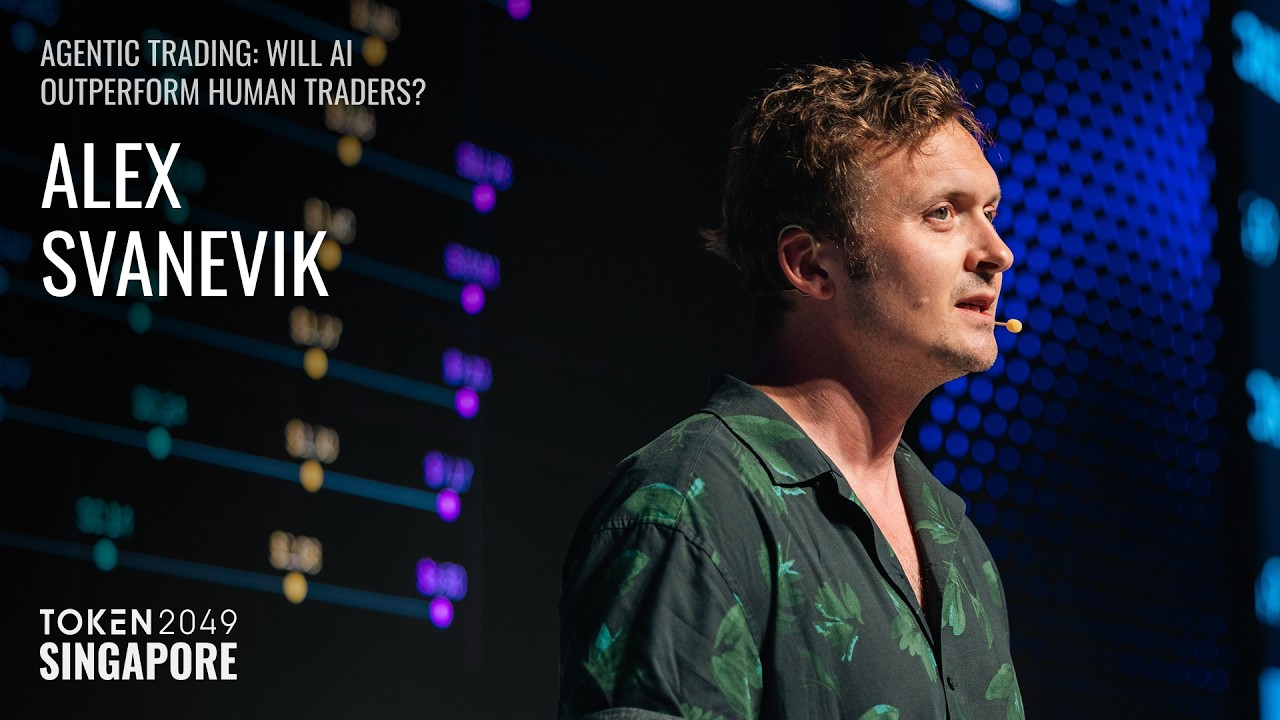
- Alex Svanevik Nansen 共同創辦人暨執行長
- Ciara Sun C² Ventures 創辦人暨管理合夥人
- Kevin Lee BingX 策略長
- Larry Cermak 主持
場次摘要
新一輪加密週期資本輪動減少,交易所多元化發展,AI 代理人與創意成未來關鍵。加密資產需與傳統資產競爭,募資趨勢轉向重視產品與使用者留存。
值得記下的 5 件事
逐字稿
新週期開場與最大不同
大家好,歡迎來到現場。我們今天要討論的是加密貨幣的週期,現在的週期長什麼樣子,跟過去有什麼不同。先來個暖身問題,現場有沒有人覺得這一輪週期跟過去一樣,或是很像的,可以舉個手嗎?基本上沒什麼人舉手,這很好,因為我們等下就是要聊這個話題。Welcome everyone. We're going to be chatting about cycles today, how the cycle looks right now, how they looked before. So to do one warm-up question here for the audience, if you can raise your hand if you think that this cycle that is just starting or currently that we're in is similar to the previous ones or the same ones, if you can raise your hand. So basically no one or a few people, which is good because that's what we're going to be talking about right now.
第一個問題給全體與談人,暖身一下,你覺得現在跟四、五年前上一輪週期相比,最劇烈的不同是什麼?我們先請 Ciara 分享。So first question for the full panel, just to warm up, is what is one thing that you think is, like, drastically different? Right now than from the last cycle four or five years ago, we can start with Sierra.
我覺得過去幾輪週期都會看到資本輪動到不同賽道,總是有某個題材特別火熱。像一開始是 ICO,後來有 NFT、迷因幣,現在大家好像變聰明了,機構資金更重視流動性、監管和託管、風險管理。所以現在山寨幣的輪動比五年前少很多。I think one thing is that in the previous cycles, we always see rotations of capital flow into different sectors. It's always something that's really hyped. You know, it was ICO in the first place, and then we had NFT and meme coin, and now people seem smarter, right? Institutional capital is thinking more about liquidity, thinking about regulations and custody, risk management. So we're not really seeing a lot of rotation in altcoins now compared to what it is five years ago.
我想補充兩點,但我專注講一個,就是現在我們有「智慧即服務」。你花幾塊錢就能用到幾乎博士級研究員或軟體工程師的能力。這必然會改變投資和交易的方式。對我來說,這代表下一輪加密週期一定會長得不一樣。我們現在現場就有 AI 代理人。I would say two things, but I try to focus on one of them, which is that now we have intelligence on tap. As a commodity, which means that you can pay a couple of cents or a couple of dollars to have almost the equivalent of a PhD-grade researcher at your fingertips, or a software engineer to some extent, which I think, if we're being honest, necessarily has to change how investing and trading is going to work. To me, that has to mean that the next crypto cycle must look different. We have AI agents here with us.
我每次上台講話都會得罪人,可能這也是主辦單位喜歡我的原因。我想說,這一輪週期,大家不要再只看 K 線圖做決定了。這是現實世界,你必須看宏觀、看我們的世界和加密世界、其他資產類別(像股票、商品)的互動。我們這兩天都在討論這些。你必須和現實世界連結,不再只是虛擬資產,這很重要。All right, like every time I'd say something on stage, I tend to offend someone. I guess that's why organizers like me. I would say this cycle, just like stop being that guy that only look at candle chart and make your, like, decision. This is the world. This is the real world now. Like, you have to look at the macro. You have to look at the interaction between our world and crypto world and all other different asset class, like stocks, commodities. We've been talking a lot about this, I think, today and yesterday already. You have to be connected to the real world. It's not about just being a virtual asset anymore. I think that's important.
交易所轉型與資產競爭
那企業怎麼變?很明顯,交易所現在有很多新產品。以前加密貨幣交易所只做現貨、永續、選擇權,現在還有股票、Pre-IPO 代幣等,幾乎變成像美國 Robinhood 那樣的全能型交易所。你覺得這趨勢會繼續嗎?我認為會。我來自傳統金融,現在我們在加密交易所也在做這些。傳統券商和交易所也想靠近我們這個圈子,透過 ETF 等不同方式。And how are businesses changing, like obviously exchanges with all these new products coming live, right? Like it used to be that crypto exchanges were focused fully on just crypto, spot, perps, options. Now it's stocks, now it's, you know, pre-IPO tokens, so many different things, and it's starting to become almost like crypto exchanges are becoming almost like Robinhood in the U.S., where it's a very generalized everything exchange. Do you think that's a trend that will continue going forward? Yeah, I do think so. Like, I'm coming from, like, a traditional finance background, and this is not something that we're doing in the crypto exchange as well. Like, the traditional broker and exchange want to also come closer to our world as well. via different vehicle, maybe like EFT and whatnot.
很多人說這一輪週期對我們產業來說有點無聊,大家都去買黃金、美股等。但作為交易所,我們想做的是提供一個多資產的平台,讓你的資本更有效率。你不用再下車換法幣,再去一個不是 24/7 開市的市場買。這是取得多元資產和分散投資組合的遊戲,兩個世界都適用。For us, it's not about, like, okay, a lot of people saying the cycle is a little bit boring for our industry, and people is going for gold and going for, you know, U.S. stocks and whatnot. But as an exchange, I think what we're trying to do is provide a single platform for multiple assets, and then it makes your capital more efficient. Make sure people, you don't have to go, you know, go off-ramp, get their fiat, and then just, like, buy it somewhere in a market that don't open 24/7. So it's a game of access and diversification of the portfolio, which makes sense in both worlds anyway.
我想補充,2017 年剛進加密圈時,大家會笑傳統金融那種「我們相信區塊鏈,不信比特幣」的說法。但現在看來,這種說法部分正確,因為區塊鏈上開始有非加密資產,這代表加密資產要跟股票、房地產、商品等競爭。像我們平台,大家可以交易永續和代幣,前 15 大永續標的有 10 個不是加密資產,而我們是很加密導向的平台。這就是現實,這個媒介現在要和其他資產競爭。So that's what we're trying to do. I think on this topic, when I joined crypto 2017, We would ridicule this boomer take that, you know, we believe in blockchain, we don't believe in Bitcoin. But somehow it feels like the boomer take partially maybe is correct now, because blockchains now you have other types of assets that are not crypto assets, which means that the crypto assets face competition from stocks and real estate and commodities and so on. Like on our platform, where people can trade perps and tokens and so on, the top perps assets that people trade, 10 out of the top 15 are not crypto. And we are a very crypto-focused brand and platform. So I think that's a reality that the same medium that crypto assets have lived are now facing competition from these other assets.
資產表現與競爭激烈
你覺得這是不是導致過去兩年加密貨幣表現不如商品、股票等其他資產的原因之一?他們都創新高,但加密貨幣卻跌了 40%、50%。我認為這確實是原因之一。舉個例子,我身邊很多專職加密交易員,你問他們在交易什麼,他們可能會說韓國半導體股票或其他跟加密完全無關的東西,但他們還是在用像 Hyperliquid 這樣的平台交易。這很奇怪,平台受益,但加密資產本身卻沒受益。Do you think that has contributed to crypto sort of underperforming over the last two years when you compare to, like, commodities, even stocks. All of them are effectively all-time highs. Crypto is, you know, down 40, 50%. Do you think that's one of the contributing factors? I think it is. If anecdotally, I look around me and I look at people who are genuinely crypto traders, and you ask them, what are they trading? You know, they might say Korean semi-stocks or something that's totally unrelated to crypto, right? But they are using platforms like Hyperliquid to trade. So it is kind of this weird thing where the actual platforms are benefiting, but the crypto assets themselves, I think, are not benefiting from it.
再補充一下,如果拿 2017、2018 年來比,當時比特幣和傳統資產的相關性非常低,現在則高很多。而且現在所有加密交易所都提供外匯、各種資產交易,讓加密市場競爭變得超激烈,尤其是幣種的流動性和交易難度都提高了。不過我還是覺得加密交易所和加密本身很有競爭力,因為跟銀行和傳統交易平台比,加密可以連接很多不同的網路。像 LayerZero(我們投資的公司)就連接超過 150 條網路,這是非常獨特且會持續吸引散戶和機構交易者的地方。Just to add on that, I think. Also compared to if we're talking about 2017, 2018, the correlation between Bitcoin and all of the other traditional assets is extremely low compared to what it is today. And also just because all the exchanges, crypto exchanges are offering FX trading, all of the other assets that we can get access to, it just makes it super competitive for crypto, especially for... Coins to be traded and getting good liquidity. However, I still think crypto exchanges and crypto itself is very competitive because, you know, compared to banks and traditional trading platforms. You know, crypto has this edge of connected to different kinds of networks, like, you know, LayerZero, for example, is our portfolio company, is connected to over 150 networks. That's just, you know, something that is very unique and I think will remain very attractive for all of the retail and institutional traders out there.
新敘事與創新動能
你們現在對加密貨幣最看好的敘事是什麼?有沒有什麼你覺得很明顯、但現場觀眾可能沒發現的?我先來。我喜歡技術,我不是這裡最聰明的人,但我相信總有更聰明的人在做新東西,就像上一輪 NFT、DeFi 一樣。等到爆發時你才會覺得「啊,原來這麼簡單」。這就是這產業一直往前推進的動力。傳統金融講求營運效率、降低成本、合併,但我們這裡還是靠創新,這很重要。What's one thing that you guys are bullish on when it comes to crypto. Like, what's one narrative that you think is something that's super obvious to you, but maybe not, you know, obvious to the audience that we have here today? I'll go first. Okay. So I, I like technology. I think... I'm definitely not the smartest guys in this room, and it's a very big room. I would always, like, I have the confidence that, like, there's smart people down there doing something new, just like the last cycle, just like NFT, just like DeFi, just like whatever. And then by that time when it happens, it's like, oh well, shit, I would have been able to do it. It's like so trivial, right? So. I think that is like what's driving the industry for so many years and for so many years going forward. For like the old traditional financial industry, it's about operational efficiency. It's about how you cut costs, how you're doing more vertical, horizontal mergers. But we are still here to innovate. I think that's important.
我最看好的是 agentic trading(智慧代理人交易)。我認為未來 12 到 18 個月,交易會被徹底改變,agentic trading 會迎來黃金時代。你看軟體工程這幾年變化多大,工程師生產力大幅提升,品質也更好,甚至不會寫程式的人現在也能做出小應用、網站。交易也會一樣,熱愛交易的人會因為有更好的工具和 agentic 產品而升級,交易員的角色會變。沒交易過的人也能用 agent 創建策略、組合資產,甚至日常管理。agentic trading 明年會有 Claude Code 或 Cursor 那種時刻,2028 年會變成主流。I would say agentic trading for me is the number one thing I'm bullish on. I think in the next 12, 18 months, trading is going to be totally transformed, and we're going to have a golden era of agentic trading. And so if you look at what's happened with coding and software engineering, that world looks totally different now than it did five years ago. And actually, it has benefited software engineers because they are way more productive and they can cover way more ground and actually increase the quality of what they do. But it has also benefited people who are not software engineers, so that now, if you didn't know how to code before, now you can actually build something, a small application, a landing page, whatever it is. And I think. Potentially, the same thing is going to happen with trading. We're going to have people who are really into trading will level up their skills because they will have better toolkits, better agentic products they can use, and it's going to change the role of the trader. And also, people who have never traded are going to be able to express views, beliefs about the world. And agents are going to allow them to create strategies, create portfolios, create bundles of assets that they can actually hold and be, you know, managed day to day. So I think agentic trading is going to have kind of a Claude Code or a Cursor moment at some point next year, and in 2028, it's going to be the norm of how people trade and invest.
我覺得最令人興奮的機會,是不只加密 OG 能參與,也能讓更大眾受惠。像區塊鏈基礎設施支持的上市公司,或以 Circle 為例,沒加密帳戶的人也能透過交易 Circle 股票受益於穩定幣發行商。我對這種機會很期待。To me, the most exciting opportunity is the ones that is not only accessible to crypto OGs like our panelists, but also accessible to the greater audience out there. So that would be public traded companies that blockchain infrastructure-backed, or take Circle as an example, you know, just. Everybody out there who hasn't even even have a crypto trading account can take benefits of stablecoin issuers by just trading Circle stock. I think that's a great opportunity that I'm really excited about.
AI 代理人與加密未來
Alex,我想深入聊你剛剛提到的 agent 和未來角色。我們看到模型變得超級聰明,像 Opus 5.5、Astra 等,現在能做的事比一年前多太多。你覺得這對加密會有什麼影響?今天大家都在 X 上討論,擔心加密技術會被這些模型突破數學難題而受到威脅。另一方面,agent 用加密貨幣交易比信用卡或傳統銀行簡單多了。你怎麼看?你是很樂觀還是也有風險?Alex, I want to double click on something that you said, which is agents and their role in the future. We've seen the models get insanely smart, Opus 5.5, the Astra models. It's crazy what they can do now compared to what they could do a year ago. What role do you think that will have on crypto? One, probably everyone in this room saw the discussion on Twitter today where people are starting to be worried that maybe encryption could be at some point impacted because the models are just getting too smart at breakthroughs in mathematics. On the other hand, crypto is also very useful to agents because they can transact much easier than if they're using credit cards or traditional banking rails. So I'm curious about your view on this. Like, are you leaning very positive, or are there also risks?
我想聚焦你問的第二點。我們都該承認,區塊鏈對人類來說 UX 很糟,過去十年用過的人都會失望。現在雖然好一點,但還是很差。突然間有 agent 可以幫我們搞定一切,這是很大的機會,因為加密一直有 UX 問題。你只要把意圖告訴 agent,agent 幫你搞定後台,這會讓產品體驗大幅提升。某種程度上,加密一直是後台技術,但我們假裝它是前台。最成功的加密公司其實是把加密放後台,前台做成中心化服務,像 Binance、Coinbase 等。這是我看好的部分。So let me focus more on the second part of what you said, that I think we should all acknowledge that blockchains have horrendous UX for human beings. Anyone who's ever tried to deal with a blockchain over the last 10 years will have been very disappointed. It's a little bit better now, but it's still pretty terrible. And then suddenly we have these new things, agents that can just figure it out for us, right? And that's, I think, an incredible opportunity because crypto has always had a UX problem. And the fact that you can just express your intent to an agent, and the agent figures out all this stuff on the backend, I think is a huge opportunity to just have much better products. And in some ways, I think crypto has always been a backend technology that we've kind of pretended was a front-end technology. Right, the most successful crypto companies are actually companies that have put the crypto on the back end, but have created centralized front ends, right? If you think of Binance, Coinbase, and so on. So that is like the bullish part.
但我也有點擔心最近 X 上看到的東西,我不是密碼學或量子計算專家,但我有跟專家聊過。大約一年前,大家都說量子電腦還要五到十年,這說法已經講很久了。但現在 AI 在數學領域進展這麼快,也許專家們要重新評估這個時間表。有些 AI 產生的數學證明真的很驚人,這讓人有點害怕。如果真的發生,不只加密,整個網路和密碼學都會有大問題,到時候我們可能只能回到山洞打獵了。I am a little bit concerned about the stuff that we've been seeing on X lately, and I'm not going to pretend I'm an expert in that area, but I've talked to people who are experts in the area of cryptography, quantum computing, and so on. Maybe a year ago, they were saying, yeah, five to ten years is kind of, that's been the prediction of most experts for a long time, and they just keep rolling it. But I wonder if some of them will have to re-underwrite those estimates when you see how quickly AI is developing, especially in mathematics, right? Some of these proofs that are being produced. And so that's a little bit scary. But I think the other thing is, if that plays out, it's not just crypto. It's like all of the internet and, like, you know, cryptography more broadly. So we'll have much bigger problems to deal with. And maybe the solution is just to move back into caves and start hunting animals.
AI 時代的人類優勢
你們覺得當 AI 越來越聰明,像你們公司的人要怎麼保持優勢?Alex,如果大家都能用同樣的工具,人類還有什麼角色?是決策、創意,還是什麼?我想聽大家的看法。What do you guys think is the edge for people that you work with at your companies when AI gets so smart, like these models are just getting smarter and smarter? How do you then differentiate yourself? Like one for Alex, maybe like... You know, if everyone has the same tools at their disposal, like what is the human actually doing? Is he the decision maker for the creativity, or, you know, what is the role of the human in the age of super smart AI models? And I would love to get everyone's thoughts here.
我認為這是「點子王」的時代。創意和逆向思考會變得很重要,不只投資交易,連行銷也是。現在大家都用 Claude、ChatGPT 產生一樣的行銷內容,真正有用的是逆向、不可預測的東西,這在投資交易也一樣。我不確定技術能力還是不是關鍵,因為 AI 可以做很多事,反而是創意和勇氣才是關鍵。具備這種思維的投資人會表現得很好。Yeah, from my point of view, I think this is kind of the great time for, like, the ideas guy or the ideas girl. So I do think creativity and being a contrarian thinker is the thing that's going to be good, not just for investing and trading, but also if you look at marketing, everyone's producing the same freaking marketing content everywhere through Claude and, you know, ChatGPT and so on. So being a contrarian and trying to do things the opposite way, what actually looks unpredictable is the thing that's going to work. And maybe that's the same for trading and investing. But I'm not sure that the skills, the technical skills, is the thing that you need, because AI can do a lot of that. It's more about the creativity and the courage that you need to do things very differently. So I think investors that have that mindset are going to do well, frankly.
我同意 Alex,但想補充一下。我本身是軟體工程師也是交易員,兩邊都看得到變化。我記得大約 15 年前,新加坡總理還在 Facebook 上秀他寫的 Sudoku 程式,我看到就想「他會我也要會」,所以我也寫了一個。但你必須真的懂 Sudoku 的原理。現在,上週我用 Claude 一個 prompt 就寫出來了。這對新世代來說很輕鬆,他們不用理解底層原理。但我們這一代受過軟體工程訓練,寫過 for loop、function,知道底層怎麼運作,這讓我們更能實現好點子。Yeah, I would tend to agree with Alex, but, like, I want to go on top of that, like— And also, like, I'm a software engineer, and I'm also a trader. I can see, like, how things going from both sides. I do remember around, like, this is pretty thematic because, like, around 15 years ago, like, the PM in Singapore actually posted on Facebook just, like, to show he's do programming. He built, like, a Sudoku, like, program. All right, I'm not sure how many of you remember. I remember, I was like— Well, if he can do it, I will do it. So I program it, right? But you have to understand how Sudoku actually works. Today—well, actually, last week I did the same thing with, you know, Claude, one prompt. But this is, like, quite spoiled for the next generation. It's like they don't have to understand the underlying ideas. But for our generation... Who've been through the training of, like, software engineering, how things work, have written, like, a for loop or, like, a function before, they know things, how they work, and make better idea, how to have, like, better way to implement idea, as you said.
AI 時代的黃金世代與人性挑戰
所以,我們正處於黃金時代,黃金世代。不管下一代是不是被 AI 寵壞了,他們的批判性思考和創意產生能力可能不如我們。對我們投資人來說,AI 絕對有助於盡職調查、資料收集、團隊研究,但 AI 不能完全取代人類。這也是為什麼我們要辦這場實體會議,而不是只在線上。我們可以和所有公司面對面交流,建立信任,感受彼此的氛圍。So, yeah, we are at the golden era, the golden generation. Whatever next generation being spoiled by the AI. The critical thinking and idea generation would not be as good as we do. For us as an investor, I think AI definitely helps with, you know, due diligence, collecting the data, doing research on the team. But, you know, it's not replaceable by AI. That's why we have this conference here, right? We're not online. We can talk to all the companies we can, but, you know, we have this amazing conference here so that people can actually connect. They can build the trust and see our aura.
沒錯,成為策略型投資人很重要,不只是提供 AI 技術、資料或資本,更要有營運專業,協助團隊發幣、上幣,甚至對接像 Nansen 這樣的策略夥伴。這些都不是 AI 能取代的。我常常很驚訝,跟一般人聊天時,發現其實很少人真的在用這些 AI 工具。明明這些工具就在我們手邊,但我身邊大概有 80% 的人都沒好好用,這真的很讓我驚訝。Yes, and it's very important to be a strategic investor, not only just provide all the technology and data AI can provide, and not only the capital, but also operational expertise that can help people build a token, list a token that you can get to talk to exchanges or strategic partners like Nansen. So that's all not replaceable by AI. I'm constantly shocked with, you know, when I talk to normal people, how few are still using these models, like we have these things at our fingertips and, you know, it seems like, at least in my bubble, like 80% of people are not using these models properly. It seems shocking to me.
AI 工具普及下的投資與交易新格局
想追問一下,你們覺得現在在加密貨幣賺錢是變得更容易還是更難?因為大家都能取得這些資訊,但同時也有很多人沒善用工具。這也是我覺得現在是黃金時代的原因,因為並不是每個人都把 AI 發揮到極致。真正積極投入的人會明顯勝出。但這不代表你只要對 Claude 說「幫我賺錢、不要犯錯」就好,你還是要多做功課。如果你有系統地運用工具、資料、模型,做回測、模擬交易等,這些都會帶來優勢。尤其跟一般散戶比,使用 AI 代理人交易,理論上應該能勝過大多數手動交易的散戶。So one question to follow up on that, do you think it's easier or more difficult now to make money in crypto? Now that you have access to all this information, but everyone else does as well. But then there's the disparity of, like, a lot of people are just not using the tools sufficiently. This is why I think of it as a golden age, because exactly to your point, it's not like everyone is using AI at our max abilities. So I think the people who are really leaning into this hard are going to outperform, frankly. And again, it doesn't mean you just go to Claude and you say, you know, make me money, make no mistakes. You have to do a little bit more work than that. But if you do lean into it, and if you actually are systematic about how you do it, which tools you use, the data, the harness, the models, you know, backtesting, paper trading your agents, all of these different things, then it seems kind of reasonable, or almost like it's unreasonable to assume that's not going to help you, especially if you compare to the bar of a retail trader. I'm not going to call out certain, you know, retail trading products out there, but the probability of the users making money on these platforms is very, very low. So if you are using agents to help you with trading, it seems logical that you should be able to do better than the average retail trader. And then the question is, how high can you lift the bar? Can you get to, like, S&P 500 returns? Can you get to, like, you know, Jane Street and Hudson River Trading returns? Maybe not. That seems kind of difficult. But it seems very likely that you can do a lot better than a retail trader who's just manually trading on some trading app.
我覺得最關鍵還是「螢幕和椅子之間」的人性因素。我記得幾年前送朋友一台 Kindle,他根本沒開過機。科技再好,如果人不用也沒用。像我們以前很怕轉帳時錢會不會打錯地址,這其實是人和科技之間的落差。現在我們要做的,就是讓科技更容易被包裝、被使用。像 agent 讓程式設計、訊號搜尋更簡單。支付也是,大家都會用 Google Pay、Apple Pay,背後到底是法幣還是加密貨幣其實沒差。產業的目標就是讓流程傻瓜化,交易時還能提醒你「這個專案團隊還沒公開」或「鏈上有風險」,你還要繼續交易嗎?這就是要用科技給使用者更精準的資訊。Yeah, I would say it's always the, it's always matter is like what happens between the monitor and the chair. So it's the human factor. I remember I bought a Kindle for a friend a few years ago. He never actually turned it on. And imagine like Kindle as a technology is like help you, like you don't have a box anymore. Yeah, where's the camera? Yeah, I'm talking to you, Gavin. Then what's like, like we have seen this before, right? We're so scared to like send money to people just because like of the wallet address, like there's a typo or something. What's actually the technology provided to us, and the gap between people and the technology is actually huge. What we should be doing is like how we do it to encapsulate the technology. For example, yeah. Agents make things much easier, programming or like finding the signals. Maybe, like for example, payment, right? Yeah, using Google Pay, Apple Pay, everyone know how to use it. It doesn't matter if it's like fiat or like crypto at the back. That's like the industry trying to do. It's just like make things so foolproof, and then you, you, when you trade. We will give you the alert saying, hey, by the way, we're not doxing the project team just yet, or like the chain actually have viability. Do you still want to trade? So I think that's important, just provide more like curated information based on the technology to our users.
使用者行為與產業投資新趨勢
你們有觀察到 BingX 使用者行為跟兩三年前有什麼不同嗎?其實使用者變化很大,從只想穩定質押拿 4% 收益,到現在還有人用 100 倍槓桿炒迷因幣。對我們來說,就是要讓使用者做出更有教育意義的決策,無論是 AI 還是人工,重點是要把資訊整理好。就像我今天一開始說的,不要只看 K 線圖,要多看現實世界,給使用者真正相關的資訊,讓他們更務實地抓住機會。And have you seen any user behavior changes on BingX where, like, people are just behaving differently than two or three years ago? Well, I would say, like, they're changing because— Users, like, they have like a spectrum of people. There are people who want like 4% yield on like just staking stablecoin to like whatever 100x leverage on meme coins still today. Again, for us, it's just like provide like really educated decisions, powered by... Either by AI or by human beings, just curate what's happening. As I started the panel today earlier, like, what about the macro? Stop just seeing the, you know, the candlestick chart. See a little bit about the real world. Provide them with the actual related relevant information for them to make the, you know, opportunity more realistic.
Ciara,你在投資端有很好的視角,這幾年產業募資有什麼變化?現在很多 VC 不是轉型就是跨足其他領域。你自己觀察到什麼?和以前比競爭如何?其實整體募資金額還在增加,但能成功募資的專案數卻在減少。這代表資金都流向後期專案。以前只要有個想法、寫個白皮書就能募資,現在投資人要看到真正運作的產品、真實使用者,特別是當獎勵結束後還會回來的使用者,以及實際營收。這就是目前募資的趨勢。Ciara, for you, you have a good view of the other side of crypto, which is projects that are raising, investing in general. How have things changed there over the last few years? Like, it seems like a lot of VC firms are now either pivoting or expanding to investing in other sectors as well. What have you seen yourself, and, like, how competitive it is compared to what it was before? The total amount of money raised in this space is still increasing, but the number of projects actually being able to raise money is decreasing. So it means that all the funds out there, they are investing into later stages projects. Compared to years ago, you can just raise with an idea, with maybe a piece of paper, right? But now. Investors need to see products that's actually working, real users, and especially retention of users who's coming back to your product when the incentives are gone, and real revenue. So I think that's like the trends that we're seeing in this space in terms of fundraising.
AI 提升門檻與人類競爭力
很有趣的是,AI 其實讓門檻提高了。你剛剛說的沒錯,現在標準變高,光有想法已經不夠,必須做得更多。我認為在 agentic 時代,能否成功取決於四個人類特質:第一,有沒有主動性(agency),這雖然常被當 meme,但真的很重要,你會不會主動行動還是只等人推動你。第二,有沒有專注力,能不能聚焦在對的問題。第三,能不能清楚溝通你要做什麼。第四,你對品質的要求高不高,還是隨便亂交差。無論是投資、交易還是創業,這四點都很關鍵。It's pretty interesting because I think AI has this effect on raising the bar. Right, and that's kind of what you're saying, that the bar is now raised. It's not enough to have an idea. You actually have to go further. And I think this concept is the right way to think about what you have to do as, like, a human being to thrive in this era. And I think there are basically, like, four human traits that will determine whether you will succeed in the agentic era or not. The first one is, do you have agency? This is a bit of a meme, but it's a real deal. Like, do you actually get up and do things, or do you just sit around waiting to be prompted? The second thing is, do you have focus? Do you focus on the right problems? The third is, are you able to communicate clearly what you need to do? And the fourth is, do you have a high quality bar, or do you just release slop constantly, right? And so I think anyone in whatever category, whether it's investing or trading or building things, like those are the four personality traits or traits that humans need to do really well.
我覺得大家不要因為 AI 而悲觀,雖然常聽到什麼基層工作會消失、大家都會失去什麼,但其實你只要積極投入,反而能做得比以前更好。資料的主導權還是很重要,執行力也一樣。And it's, I think it's super important that people don't get pessimistic about AI because you hear so much about, like, entry-level jobs are going away and, like, you know, everyone is— You know, losing a bunch of different various things. But the reality is, you can actually lean in super hard and do better than ever in this era. Primary ownership of data still matters, and your ability to execute still matters. Yes.
Nansen 的 AI 轉型與產品簡化
我記得 Nansen 剛創立時只是做資料分析,產品也很簡單。後來你看到 AI 崛起,帶領公司轉型。能不能跟大家分享一下,作為領導者,怎麼帶領團隊轉向 agentic trading?什麼時候意識到光靠資料已經不夠?我們創業時,AI 主要用在後台,像我們標記了超過五億個地址,很多都是 agentic 或演算法標記,但使用者只看到產品裡的標籤。現在 AI 開始走到前台,成為使用者體驗的一部分。雖然技術變複雜,但我們的產品反而更簡單。2020 年時,使用者要自己選圖表、指標,現在用手機 app 跟 agent 對話就能查「哪些 token 是 smart money 在買」、「這個 token 的大戶是誰」等等。技術變複雜,反而逼我們把產品和體驗做得更簡單。I remember when Nansen was starting, right, it was just a data analysis company, basically like relatively simple product, and you've then— Basically seeing what's coming on the AI side and transform the company. So can you walk the audience a little bit through, like, how as a leader at a firm or founder, how do you go through that process? Like, when did you realize that agentic trading is going to be something that the firm wants to focus on, and maybe that data by itself is not. A sustainable product. Yeah, so when we started the company, we used AI a lot on the back end, right, behind the scenes. We have 500 million plus labeled addresses, and a lot of them are agentically labeled, and most of them are algorithmically labeled. But people don't see that. They just see the labels in the product. And what we've seen is that AI is kind of coming to the foreground of the user experience, and in some ways. Even if you have more complexity, the goal is really to make the product simpler. And if you look at the product today versus 2020, it's actually a simpler product for the end user today, but there's way more complexity on the back end to make that happen. In 2020, you'd have to navigate which chart should I look at, which metrics, what does this mean? And today you can use our mobile app and you just talk to the agent and you say, Hey, which tokens are smart money buying, right? Who are the top holders of this token? And it does all of that for you. So it is a little bit ironic because the technology has gotten really complex, but I think it has actually forced us to make the product and user experience a lot simpler.
在團隊和組織面,我們努力打造 AI 原生文化,大家要對 AI 帶來的改變保持正面態度,不會因為訊息裡多一個破折號就酸人。大家會用 AI 溝通,但不能讓品質變差,要嚴格把關,但也要接受 AI 已經融入工作每個環節。大家應該多用 AI,但不能放棄思考,要把標準拉高、品質做到十倍好。這裡可以聊的還很多,但大致就是這些重點。So that's on the product development. In terms of the team and the organization, we've done our best to make a really AI-native culture in the company, which means that you are positive about what AI is going to bring, and you're not, you know, dunking on people for having an em dash in a message. You know, you acknowledge that people use AI to communicate, and you don't want to make it sloppy. You have to be very critical of slop, but you acknowledge that people will use AI for everything in their work. They should be doing that. But you shouldn't remove the thinking component, right? You have to raise the bar and actually think harder, but have, you know, 10x the quality in everything you do. So. Yeah, there's a lot of stuff we could talk about here, but those are some of the points.
交易所安全與使用者教育的挑戰
Kevin,想問你一題,對交易所來說,安全性是最重要的事之一。現在 DeFi 協議被駭越來越多,像 Bitget 幾週前也受影響。AI 讓找漏洞變得更容易,現在交易所防禦難度是不是更高?其實我 20 年前在 J.P. Morgan 做 IT 風險管理,這題我很有感。現在真的越來越難,因為 AI 和供應商問題。最近的駭客事件其實跟內部系統無關,而是供應商出包,所以我們要對所有供應商的資安做額外盡職調查,這真的很難。但有一點沒變,就是「螢幕和椅子之間」的人性問題。我們內部非常重視這點,所有人都要定期接受資安訓練,不只是 IT 員工,每個人都要知道什麼能傳、什麼是釣魚信件。Kevin, one more question for you. For exchanges, security is one of the main aspects of the business itself, right? Like if you're compromised, you lose trust, and there has been more and more hacks of DeFi protocols. Bitget also was impacted a couple of weeks ago. Has it gotten a lot more difficult for exchanges to defend against these threats now that I'm guessing AI is contributing to, you know, being able to find these vulnerabilities. Yeah, funnily enough, I started my career 20 years ago, like in IT risk management in J.P. Morgan, so it's actually something I can chip in. It's— Is this, like, more and more difficult? Definitely, yes, because of AI and because of, like, if you see the hack recently, it's actually nothing to do with the internal system. It's, like, vendor. So you have to do additional layer of, like, due diligence on, like, the security system of, like, all your vendors. It's really hard. But you know what doesn't change? Is again, like whatever problem between the monitor and the chair, it's been like a really, really big and huge focus for us internally. We have continuous and regular training with not only the IT staff, but like every single one. Have to make sure that you know what's going on, what you can send to people and what is like a phishing attempt.
另外還有使用者教育。我想在場很多人都是 OG,大家可能都被駭過、被 rug 過。但每天還是有 20 萬新手第一次進來、第一次上鏈交易,這些人根本不知道駭客手法,尤其 AI 幫忙下更難防。教育使用者比強化基礎設施還要重要,這是一場持續的戰爭。And on top of that. User educations, right? So I would assume, like, most of us here, like OG, we've been through that. We've been unfortunately hacked before or rug pulled before. But there's every single day there will be like 200,000 people, like, joining the industry for the first time, placing the first trade in on-chain for the first time. And these are the people who never actually know. This hacking, especially with AI's help. So, yeah, educating people is a continuous battle more so than, you know, just like tightening the actual infrastructure.
下一輪週期的建議與總結
最後一題,請每位給觀眾一個未來一年該專注的建議,30 秒內回答。我重申:主動性、專注力、溝通力、品質標準。如果你能結合 AI 培養這四點,再加上系統思維,你一定會做得很好。So I have one last question for the entire panel before we wrap up, which is: what's one advice you would give to the audience of what you should be spending time on and focusing on in the next year or so? And please keep it to about 30 seconds. I mean, I'll just rehash: agency, focus, communication, and quality bar. If you develop those four with AI, and maybe add systems thinking as the additional thing, then you're going to do super well, I think.
我同意 AI 很重要,但不要把 AI 當成最終產品,要把 AI 當成達成目標的工具。我以前討厭 vibe coding,現在其實蠻喜歡的,因為最終成果是你自己的,不是 AI 決定的。還有,這產業已經不是孤島了,除了看加密資產,也要看現實世界、股票、商品,學會把所有市場連結起來,才有下一輪真正的機會。I would agree on AI, but not only use AI as the end product. Use AI as a mean to your end product. Okay, vibe coding, I used to hate it, and apparently I only hate the phrase. I actually like vibe coding now. So, like, but the end product is yours, right? It's not depending on the AI anymore. You can be whatever you want in this world, create from nothing. And the second thing is always, like, this is the reality now. This is not an isolated industry. Look at your crypto portfolio, but at the same time look at the real world, look at equities, look at commodities. How to make the best investment decisions out of, like, all the market connected, and that will be the real opportunities for the next cycle.
我自己會建議風險管理。如果你是 builder 或營運者,資產託管很重要。散戶千萬不要亂加槓桿。謝謝大家收聽,這場 panel 到這裡結束。For me, it's risk management. If you're a builder or operator in the space, custody of the funds is very important. As a retail trader, don't leverage up. Well, thank you so much for listening. This is it for this panel. Thanks a lot.